
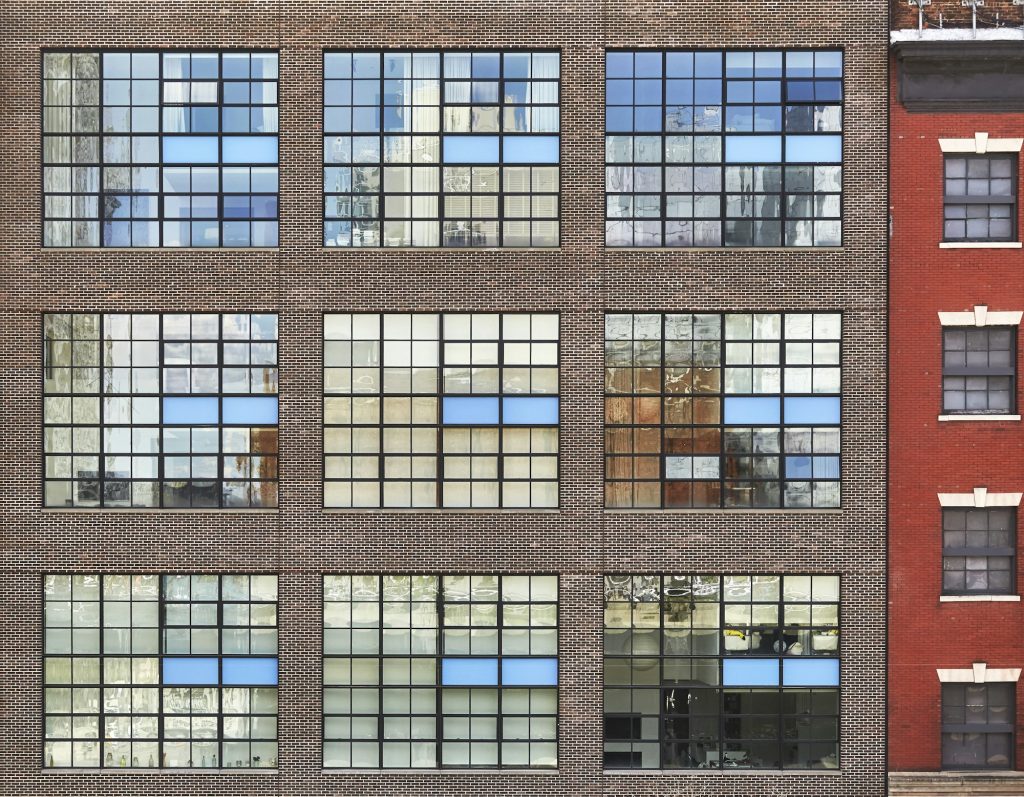
Solar energy technology has advanced considerably over the past few decades. Among the most notable developments is the solar facade: building surfaces that contribute to sustainable energy production while blending with modern architectural aesthetics.
What Are Solar Facades?
Solar facades are building surfaces, typically exterior walls, integrated with photovoltaic (PV) panels that capture sunlight and convert it to electricity. Unlike traditional rooftop panels, solar facades sit on a building's vertical surfaces, producing energy while preserving architectural integrity and design.
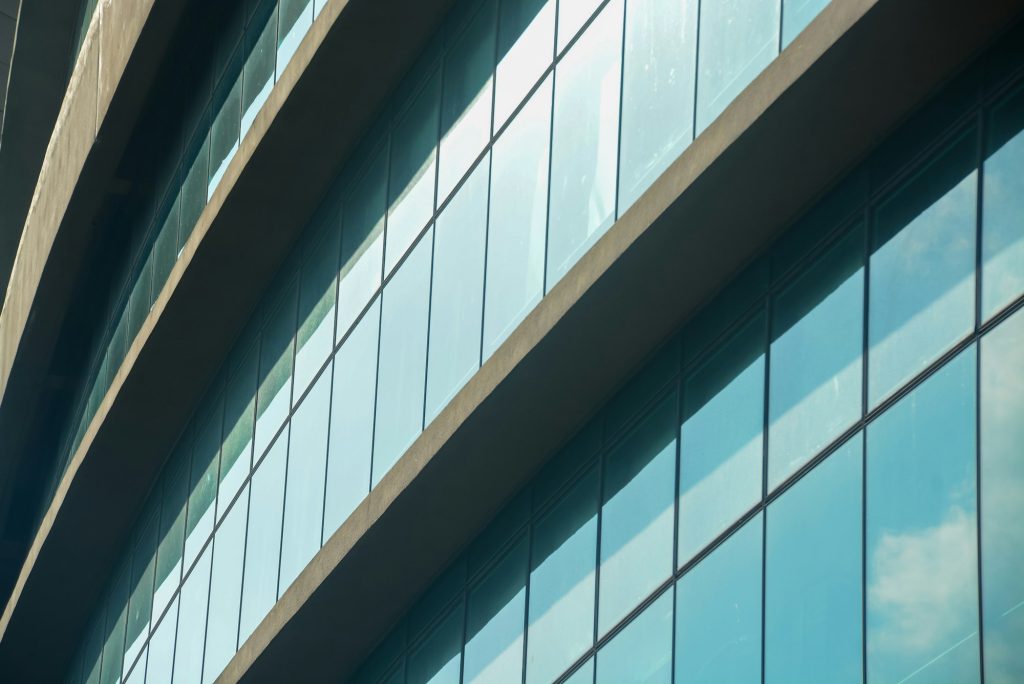
Advantages of Solar Facades
Maximized Energy Production. Solar facades put vertical surfaces to work that would otherwise go unused particularly valuable in urban environments with limited roof space, capturing both direct and diffuse sunlight.
Architectural Integration. Customizable in color, shape, and transparency, solar facades let architects maintain their design vision while incorporating sustainable technology appealing for new builds and retrofits alike.
Increased Efficiency in Urban Areas. Where dense buildings overshadow rooftops, solar facades can capture light from multiple angles throughout the day, staying effective even in shaded environments.
Enhanced Insulation and Climate Control. The layers of PV panels and supporting structure add a barrier against heat loss in winter and heat gain in summer, often reducing heating and cooling costs.
Durability and Low Maintenance. Designed to withstand harsh weather with minimal upkeep, and their vertical positioning means they accumulate less debris than rooftop systems.
Challenges and Considerations
Installation costs can be high, and PV efficiency varies with orientation and shading. Retrofitting existing buildings may require structural modification, though continued advances in PV technology are steadily easing these constraints.
Looking Ahead
New materials and designs continue to improve the performance and appearance of solar facades, positioning them to become a standard feature of urban architecture as sustainable building initiatives grow.