
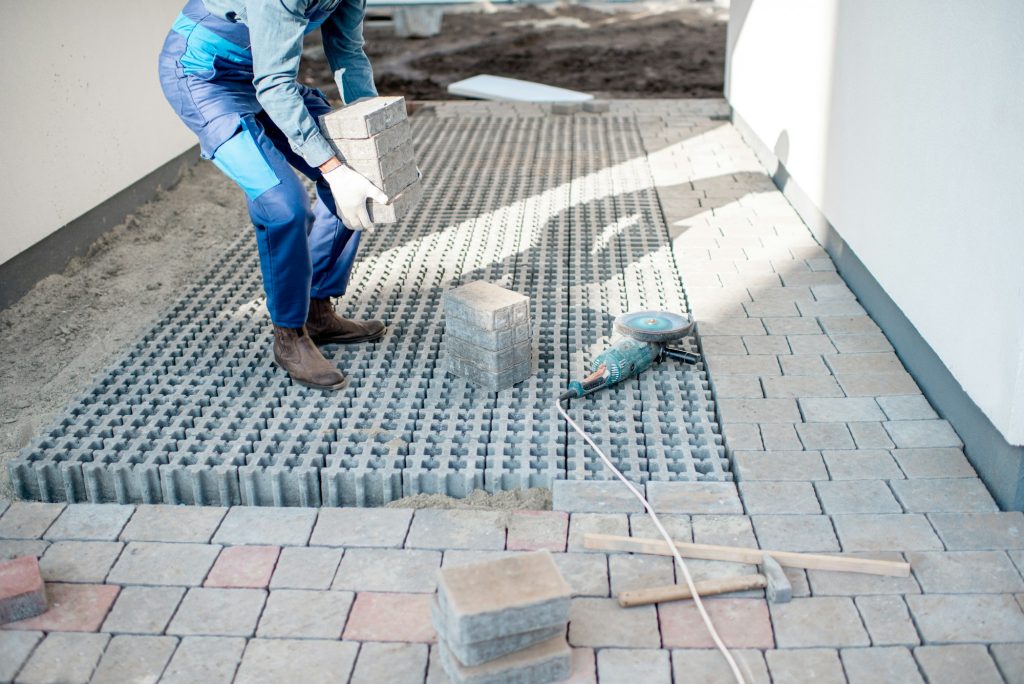
Solar technology has branched out beyond rooftop panels into more unexpected applications. Solar pavers are one of the most striking: solar-powered tiles that rethink the surfaces we walk and drive on as places to generate energy.
What Are Solar Pavers?
Solar pavers, also known as solar tiles or solar bricks, are durable photovoltaic units built to be embedded into pathways, driveways, plazas, and other paved surfaces. They capture sunlight and convert it to electricity like conventional panels, but are engineered to withstand pedestrian and vehicular traffic, a fusion of functionality and sustainability for urban and residential settings alike.
Advantages of Solar Pavers
Optimal Use of Space. Solar pavers make efficient use of horizontal surfaces overlooked by traditional installations walkways, plazas, and parking lots become part of a site's energy capacity.
Aesthetic Integration. Available in a range of designs and colors, solar pavers blend with the surrounding landscape or architectural style, so sustainability doesn't come at the cost of appearance.
Durability and Resilience. Built from high-strength materials to withstand vehicle weight and foot traffic, solar pavers are engineered for a long operational lifespan with minimal upkeep.
Enhanced Urban Infrastructure. In public spaces parks, plazas, pedestrian zones solar pavers can be paired with technologies like LED lighting to create safer, more energy-efficient environments.
Educational and Community Benefits. Their visibility makes solar pavers an effective, hands-on way to build public awareness of renewable energy and encourage further adoption of green technology.

Challenges and Considerations
Installation costs can run high initially, and efficiency can be affected by shading, dirt, and wear. Integrating pavers into existing infrastructure may take significant planning, but ongoing advances and economies of scale are expected to ease these constraints over time.
Looking Ahead
Researchers are exploring new materials and designs, including self-cleaning surfaces and improved storage integration, to push solar paver performance further as demand for sustainable infrastructure grows.